Pitra Dosh: The Complete Guide to Symptoms, Formation, Effects on Life, and Effective Remedial Pooja
An exhaustive guide covering the astrological formation, severe life consequences, sacred locations, and the complete ritual procedure required to perform Pitra Dosh Nivaran and gain ancestral blessings.
Mangal Dosh Poojan Team
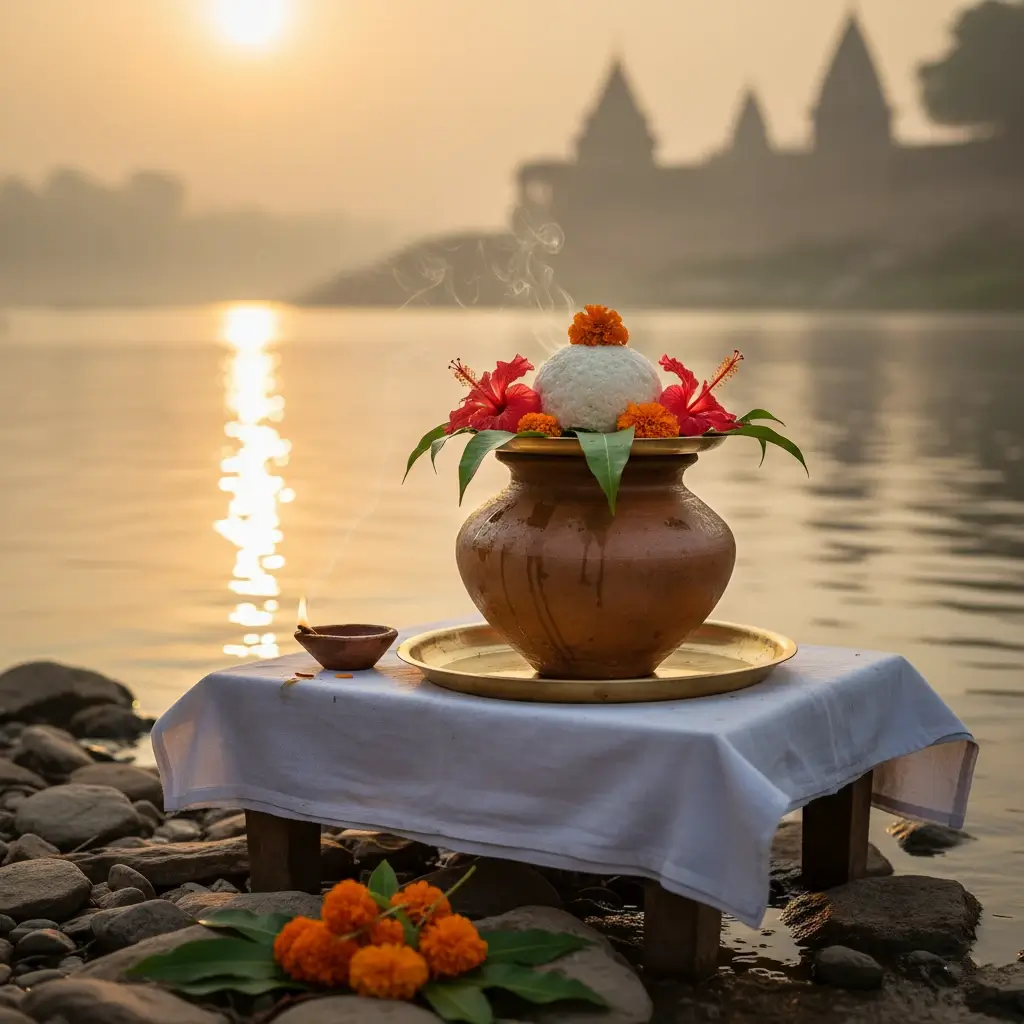
1. Understanding Pitra Dosh (Ancestral Fault)
1.1. Definition and Philosophical Basis
Pitra Dosh, derived from 'Pitra' (ancestors) and 'Dosh' (fault/defect), is an astrological indication of unfulfilled ancestral desires, negligence in performing ancestral rites (Shradh), or negative karmic accumulation inherited from the lineage. Philosophically, it represents a debt (Runa) owed to the ancestors that must be cleared by the current generation to achieve peace and prosperity.
1.2. Astrological Formation of Pitra Dosh
The Dosh is primarily identified when malefic planets, especially the shadow planets Rahu or Ketu, are conjoined with or aspect the Sun (representing the father/male ancestors) or the Moon (representing the mother/female ancestors). This typically occurs in key houses:
Key House Placements
1.3. Causes in the Lineage
Pitra Dosh is believed to arise due to several karmic factors within the family lineage: non-performance of Shradh or Tarpan rituals after an ancestor's death; neglecting or disrespecting parents, grandparents, or the elderly; unfortunate or unnatural deaths in the family; or inheriting negative energy from actions performed by past generations.
2. Symptoms and Consequences of Pitra Dosh
2.1. Obstacles in Progeny and Marital Life
One of the most prominent symptoms is persistent problems in marriage (severe delays, incompatibility) and childbirth (recurrent miscarriages, difficulty conceiving, or health issues in children). The ancestral lineage struggles to continue and stabilize.
2.2. Financial and Career Instability
Individuals often face chronic financial losses, repeated business failures, or consistent obstacles in career progression despite possessing the necessary skills. Inherited wealth or property may face litigation or sudden loss.
2.3. Health and Psychological Issues
Unexplained illnesses that resist conventional treatment, chronic health problems within the family, and recurring nightmares or a persistent feeling of unknown fear, guilt, or melancholy are common psychological symptoms.
2.4. Family Discord and Unnatural Events
Frequent and unnecessary conflicts among family members, lack of peace at home, and the occurrence of untimely, accidental, or tragic deaths in the family generation after generation can indicate a severe Dosh.
3. The Most Powerful Traditional Remedies and Pooja
3.1. Shradh and Pinda Daan Rituals
The most fundamental remedy is performing the Shradh ceremony, especially during Pitra Paksha (the dark fortnight in the month of Bhadrapada). This involves Pinda Daan (offering rice balls mixed with barley flour and sesame seeds) to the ancestors to satiate their hunger and provide them spiritual relief, thus gaining their blessings.
3.2. Sacred Locations for Nivaran Pooja
The effectiveness of the rituals is manifold when performed at specific sacred sites (Tirthas): Gaya (Bihar) is considered the foremost site (Moksha Sthala) for Pinda Daan; Pehowa (Haryana), Haridwar (Uttarakhand), and Pushkar (Rajasthan) are also highly revered locations for Tarpan and Shradh rituals.
3.3. Pitra Dosh Nivaran Pooja Vidhi
This elaborate Pooja is often performed with the help of a knowledgeable priest. It includes: Ganesh Pooja, Punarvachan (repeating the vow), Pitra Tarpan (offering water with black sesame seeds and Kusha grass), Havan (fire ritual to the Pitras), and offering specific food items liked by the ancestors to Brahmins or the needy.
4. Daily Practices and Additional Remedies
4.1. The Role of Tarpan (Water Offerings)
Daily Tarpan should be performed for the immediate three generations of ancestors, or at least during the Pitra Paksha. This simple act of offering water mixed with black sesame seeds and Kusha grass is believed to satisfy the Pitras and provide them with spiritual energy.
4.2. Mantra Jaap for Ancestral Peace
Regular chanting of the Pitra Gayatri Mantra or the Maha Mrityunjaya Mantra is powerful for seeking forgiveness and granting peace to the departed souls. The Rudra Sukta Path (hymns to Lord Shiva) is also highly recommended to alleviate the Dosh.
4.3. Serving the Needy and Animals (Daan)
Charity is a fundamental remedy. Donating food, clothing, and money to the poor, especially on Saturdays or Tuesdays, helps mitigate the karmic effects. Feeding cows (especially black ones), crows, and fish is also considered an effective way to appease the ancestors.
4.4. Planetary Pacification
Since the Dosh often involves Rahu, Ketu, and Saturn, specific planetary remedies may be required. This can include donating mustard oil or black cloth on Saturdays to appease Saturn, or fasting and performing Japa for the specific planet involved in the Dosh formation.
Key Takeaways for Pitra Dosh Nivaran
Dosh Formation
Formed primarily by the conjunction or aspect of the Sun or Moon with Rahu or Ketu in the 9th, 5th, or 2nd house of the birth chart.
Primary Symptom
Persistent delays, obstacles, and lack of success despite continuous effort in major life areas like career, marriage, and childbirth.
Best Remedy Site
Gaya (Bihar), Pehowa (Haryana), Haridwar, and Badrinath are the most sacred sites for performing Pinda Daan and Shradh rituals.
Pooja Name
The main ritual for appeasement is Pitra Dosh Nivaran Pooja, performed during the Pitra Paksha period.
Mantra for Peace
Chanting the Pitra Gayatri Mantra (Om Pitru Ganaya Vidmahe Jagat Dharini Dhimahi Tanno Pitro Prachodayat) or the Shri Mad Bhagwad Gita Path.
Quick Reference Ritual Checklist
Pooja Samagri Essentials
- Black sesame seeds (Til) and Kusha grass
- Milk, water, and rice for Tarpan
- Yajnopavita (Sacred thread)
- Darbha grass (holy grass)
- Pind (rice balls mixed with barley flour and sesame)
- Incense, Diya, and fresh white flowers
- Red and white cloth for offerings
Core Ritual Steps (Tarpan & Shradh)
- Sankalp (Intention) and purification
- Pitra Tarpan (offering water and sesame seeds)
- Pinda Daan (offering rice balls to ancestors)
- Offering food to Brahmins and the poor
- Kshama Prarthana (Apology for past mistakes)
- Performing Havan (optional but recommended)
- Final Daan (Donations) of food and clothing
Post-Pooja Conduct and Donation
- Worship peepal or banyan trees
- Do not speak ill of any deceased person
- Help the needy and elderly people
- Maintain purity and avoid conflict
- Read the 18th chapter of the Bhagavad Gita regularly
"Honoring the Pitras is the foundation of family Dharma. When the ancestors are content, their descendants receive divine protection and abundant fortune."
Related Blogs
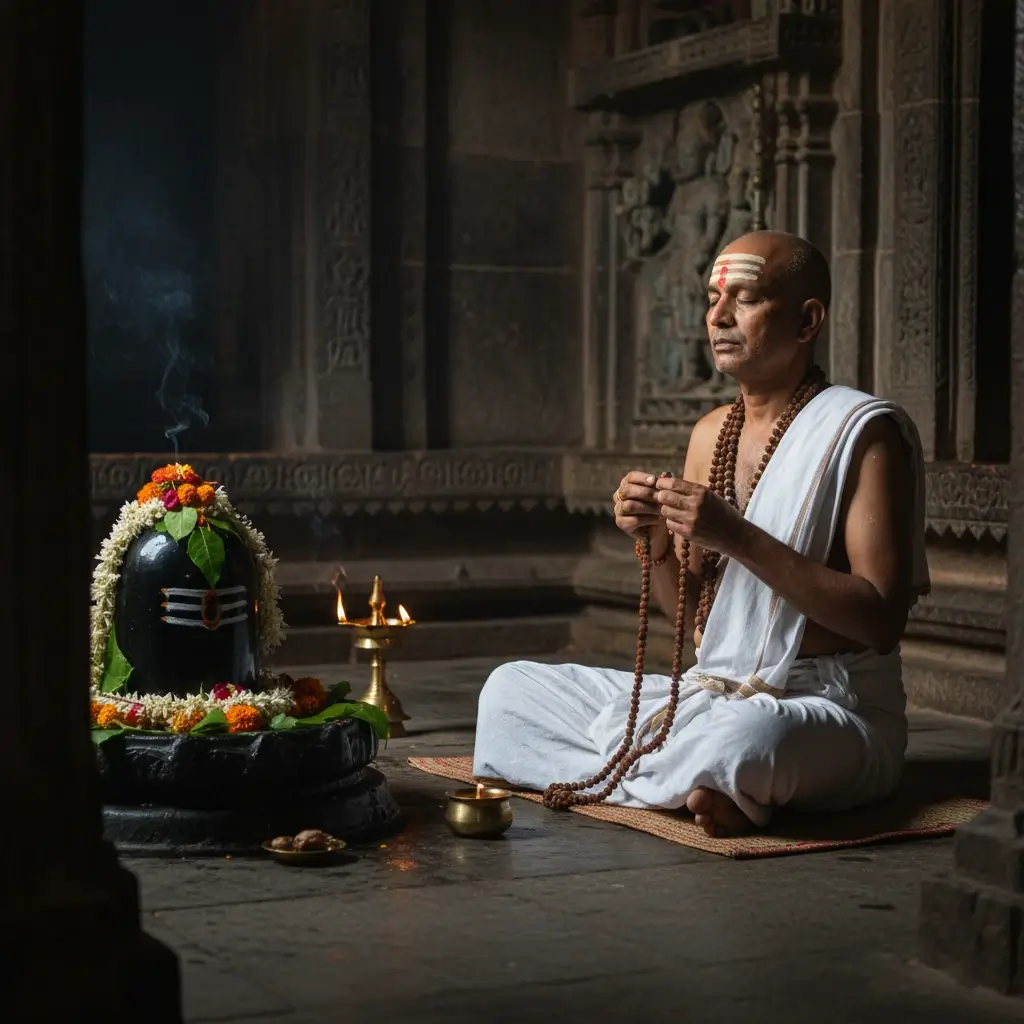
Maha Mrityunjaya Jaap: The Complete Guide to the Great Death-Defeating Mantra, Benefits, and Rituals
Mahamrityunjaya Jaap is a sacred Vedic chant dedicated to Lord Shiva, believed to bring healing, protection, and liberation from fears. It is performed to overcome health issues, obstacles, and negative influences.
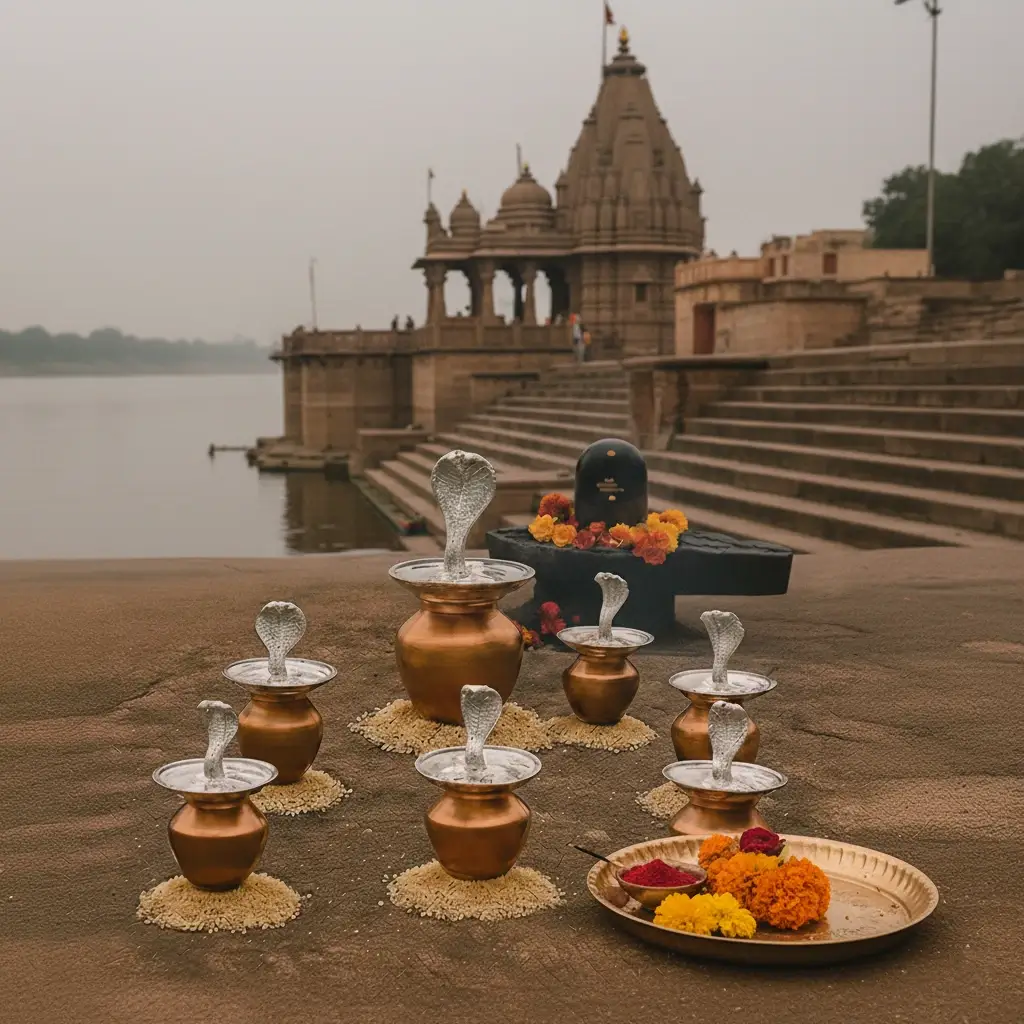
Kaal Sarp Dosh Pooja: Complete Guide to Symptoms, Effects, Remedies, and Rituals
Kaal Sarp Dosh in Vedic astrology is believed to bring obstacles and challenges when planets are positioned between Rahu and Ketu. Learn about its effects and remedies for balance and peace.
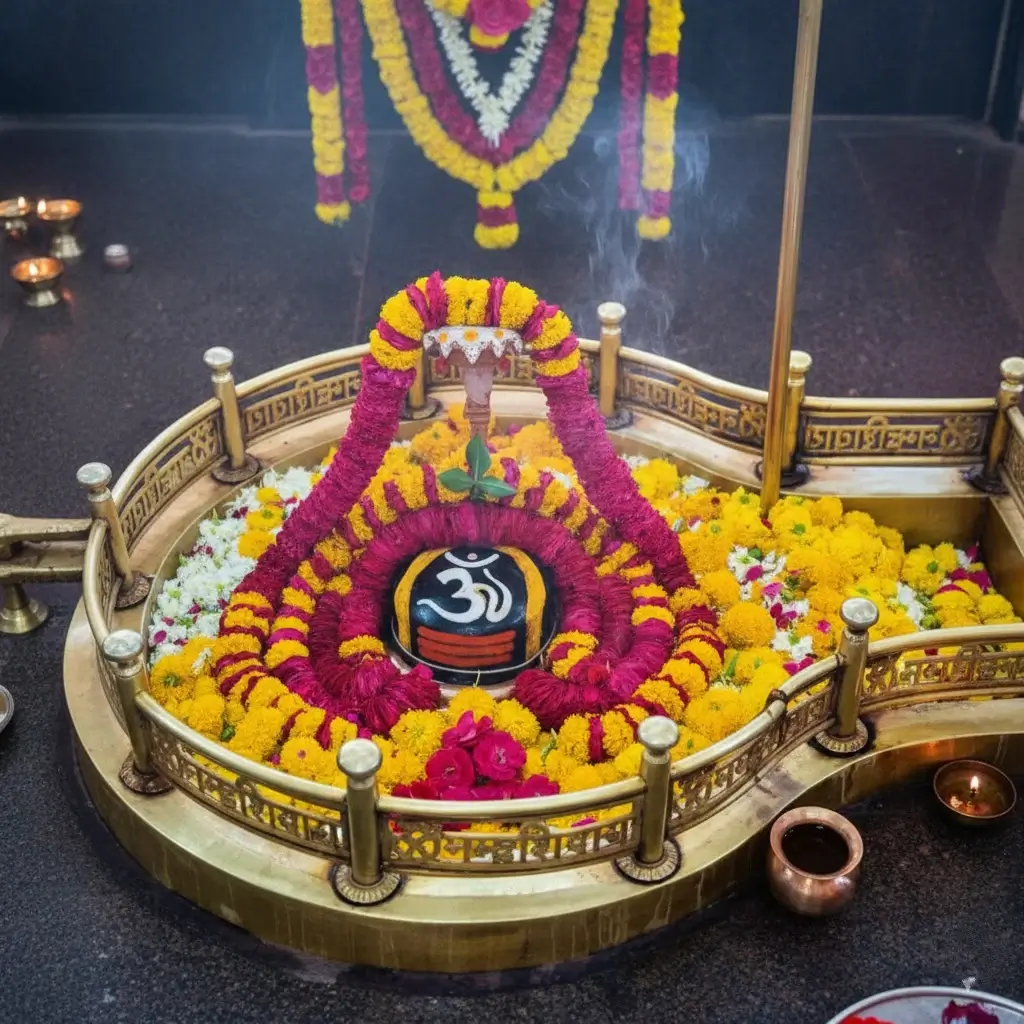
Mangal Dosh: The Complete Guide to Symptoms, Effects on Marriage, Remedies, and Pooja Procedure
Mangal Dosh or Kuja Dosha is caused by Mars placement in specific houses of a horoscope. It affects marriage, relationships, and career. Learn about its effects and remedies.