Mangal Dosh: The Complete Guide to Symptoms, Effects on Marriage, Remedies, and Pooja Procedure
An exhaustive resource covering the definition, house-wise effects, traditional and modern remedies, and the complete ritual procedure to negate the malefic influence of the planet Mars.
Mangal Dosh Poojan Team
1. Understanding Mangal Dosh (Manglik Dosh)
1.1. Definition and Formation
Mangal Dosh is an astrological condition formed when the fiery planet Mars (Mangal) is placed in the 1st (Ascendant/Lagna), 4th, 7th, 8th, or 12th house of a person's birth chart (Kundali). In some traditions, the 2nd house is also included. This placement is checked from the Lagna (Ascendant), the Moon (Chandra), and sometimes Venus (Shukra), adding complexity to the diagnosis.
1.2. The Nature of Mars (Kuja)
Mars is the Commander-in-Chief in the celestial cabinet and is associated with energy, aggression, courage, vitality, passion, and conflicts. When placed in the houses governing marriage and personal life (like the 7th and 8th), its inherent aggressive nature can manifest as short temper, dominance, and frequent arguments in marital life.
1.3. Types of Mangal Dosh (Anshik vs. Major)
Astrologers distinguish between Anshik (Partial) Mangal Dosh and Major Mangal Dosh. The Dosh is often considered 'Anshik' if it forms in the Moon or Venus chart, or if the individual is below the age of 28. A 'Major' Dosh is usually formed in the Lagna chart, particularly when Mars is in the 7th or 8th house, signifying more severe effects.
2. House-Wise Effects on Life and Marriage
2.1. Mars in the 1st House (Lagna)
Affects the personality and the spouse. Leads to an aggressive, dominating, and short-tempered nature, causing frequent conflicts and even physical confrontation in marital life. It impacts the 7th house (spouse) via its aspect.
2.2. Mars in the 4th House
Affects career, family happiness, and property. Can lead to instability in career, frequent job changes, financial issues, and an unhappy domestic environment, directly impacting marital bliss.
2.3. Mars in the 7th House (Primary Marriage House)
This is one of the most severe placements. It directly impacts the spouse and partnership, causing high ego clashes, extreme dominance over the partner, and potential for separation or divorce.
2.4. Mars in the 8th House
Affects longevity, inheritance, and the spouse's family. Can lead to obstacles in financial matters, chronic health issues for the spouse, and loss of paternal/inherited property. Can also cause the person to be reckless with finances.
2.5. Mars in the 12th House
Affects expenses, hidden enemies, and mental peace. Can lead to high unnecessary expenditure, psychological problems, and the creation of enemies, which ultimately brings stress and unhappiness into the family life.
3. The Most Powerful Traditional Remedies and Pooja
3.1. Mangalnath Bhat Pooja (Ujjain)
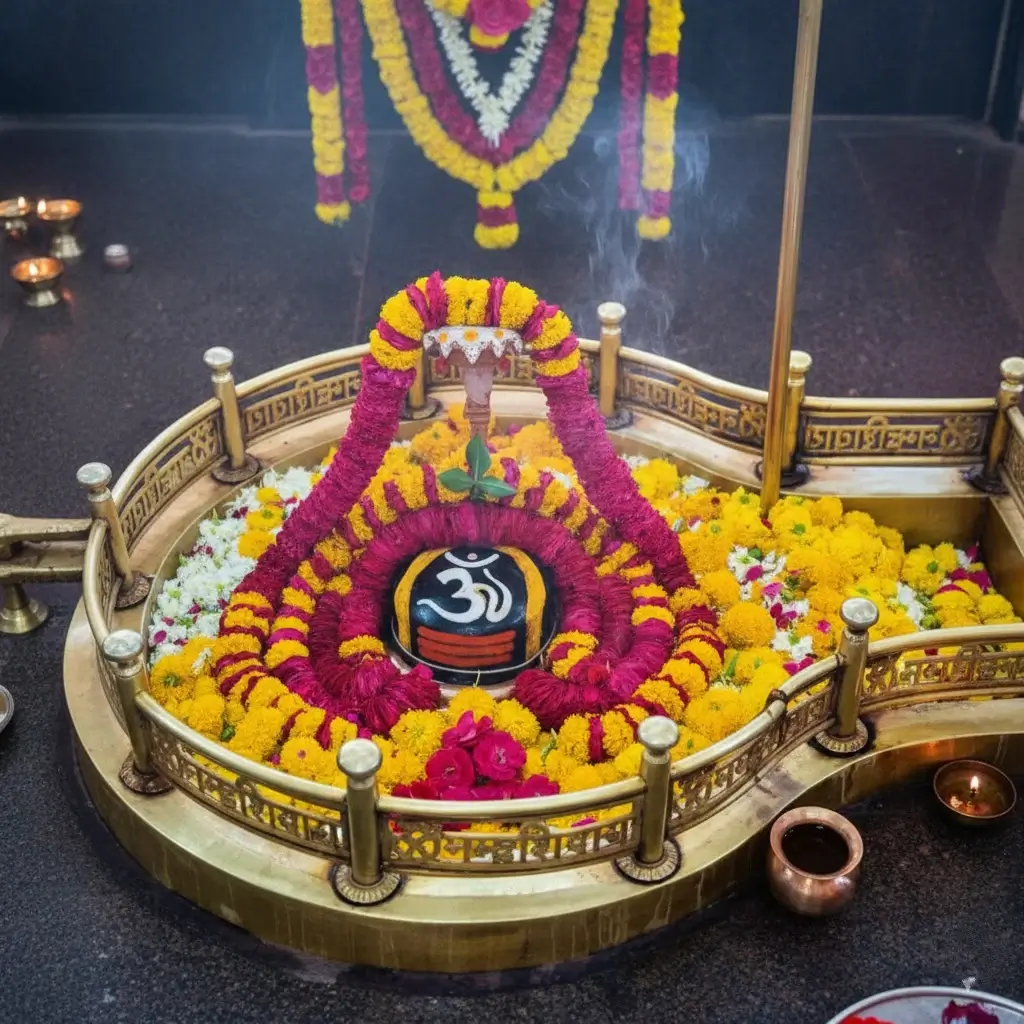
The Bhat Pooja performed at the Mangalnath Temple in Ujjain, Madhya Pradesh, is considered the most potent ritual remedy. Ujjain is traditionally believed to be the birthplace of Mars. The Pooja involves worshipping a Shiva Lingam made of cooked rice (Bhat), performing Abhishek, and conducting the powerful Havan to pacify the aggressive energy of Mars.
3.2. Kumbh Vivah (The Symbolic Marriage)
This ritual is advised when a Manglik person marries a Non-Manglik person. The Manglik first marries a symbolic object—usually a clay pot (Kumbh), a Peepal tree, a Banana tree, or an idol of Lord Vishnu (Shaligram). The negative impact of the Dosh is transferred to the symbolic spouse, which is then 'destroyed' (e.g., the pot is broken or the tree is immersed), effectively neutralizing the Dosh for the real marriage.
3.3. Marriage Between Two Mangliks
This is the simplest and most accepted remedy. The marriage between two individuals who both have Mangal Dosh is believed to cancel or neutralize the Dosh's negative effects on both partners, leading to a balanced and successful marital life.
4. Practical Remedies and Daily Practices
4.1. Mantra Jaap and Vrata (Fasting)
Daily chanting of the Mangal Beeja Mantra ('Om Kraam Kreem Kraum Sah: Bhaumay Namh:') 108 times, or the Gayatri Mantra, is highly effective. Fasting on Tuesdays is a common practice, typically broken only after sunset with a meal that may include Toor Daal.
4.2. Gemstone and Rudraksha Recommendation
Wearing a natural Red Coral (Moonga) gemstone in a gold or copper ring on the ring finger is advised, but *only* after proper consultation. Additionally, wearing a 6 Mukhi Rudraksha (ruled by Lord Kartikeya/Mars) or a 14 Mukhi Rudraksha (ruled by Lord Hanuman) is also beneficial.
4.3. Donations (Daan) and Charity
Donating items associated with Mars on a Tuesday helps appease the planet. These items include red cloth, Masoor Daal (red lentils), Jaggery (Gud), Ghee, and sweets to the poor or to Brahmins. Donating blood is also considered a powerful physical remedy.
Key Takeaways for Mangal Dosh Remedies
Dosh Formation
Formed when Mars is in the 1st, 4th, 7th, 8th, or 12th house (sometimes 2nd house is also considered) from the Lagna, Moon, or Venus.
Mars' Nature
Mars, the God of War, represents energy, aggression, courage, and vitality, which can cause conflicts and dominance in married life.
Best Remedy Site
Mangalnath Temple in Ujjain, Madhya Pradesh, is considered the birth place of Mars and the most sacred site for Mangal Dosh Nivaran Pooja (Bhat Pooja).
Mantra for Peace
Chanting the 'Om Kraam Kreem Kraum Sah: Bhaumay Namh:' mantra or the Gayatri Mantra 108 times daily is highly recommended.
Symbolic Marriage
Kumbh Vivah (marriage to a clay pot, tree, or idol) is a traditional ritual performed to negate the Dosh before marrying a non-Manglik.
Gemstone Remedy
Wearing a Red Coral (Moonga) gemstone, prescribed by an expert, can help channel Mars' energy positively.
Quick Reference Pooja Checklist
Pooja Samagri Essentials
- Red cloth for altar and offerings
- Red flowers (Marigold, Rose)
- Red Masoor Daal (Lentils) and Jaggery (Gud) for donation
- Pooja items (Kumkum, Haldi, Akshat, Incense, Diya)
- Mangal Yantra (if recommended)
- Copper vessel for water offering
- Ghee and Havan Samagri (for Havan)
Core Pooja Steps (Mangalnath Bhat Pooja)
- Ganesh and Gauri Pooja
- Navagraha Pooja (including all 9 planets)
- Kalash Sthapana and Pooja
- Main Mangal Dev Pooja and Abhishek with Panchamrit
- Bhat Pooja (worship of the Shiva Lingam/Mangal Dev with cooked rice)
- Mantra Jaap (10,000 times by Brahmins is standard)
- Havan and Purnahuti (Fire Ritual)
- Donation (Daan) of red items and Dakshina
Post-Pooja Conduct and Donation
- Donate blood once a year (optional but recommended)
- Feed birds and cows on Tuesdays
- Avoid conflict and manage anger (channel Mars' energy positively)
- Plant a Neem tree and care for it for 43 days (traditional remedy)
"The power of Mars is not a curse, but raw energy waiting to be channeled. Remedies seek to convert aggression into courage and conflict into passion."
Related Blogs
Maha Mrityunjaya Jaap: The Complete Guide to the Great Death-Defeating Mantra, Benefits, and Rituals
Mahamrityunjaya Jaap is a sacred Vedic chant dedicated to Lord Shiva, believed to bring healing, protection, and liberation from fears. It is performed to overcome health issues, obstacles, and negative influences.

Kaal Sarp Dosh Pooja: Complete Guide to Symptoms, Effects, Remedies, and Rituals
Kaal Sarp Dosh in Vedic astrology is believed to bring obstacles and challenges when planets are positioned between Rahu and Ketu. Learn about its effects and remedies for balance and peace.
Mangal Dosh: The Complete Guide to Symptoms, Effects on Marriage, Remedies, and Pooja Procedure
Mangal Dosh or Kuja Dosha is caused by Mars placement in specific houses of a horoscope. It affects marriage, relationships, and career. Learn about its effects and remedies.