Rudrabhishek Pooja: The Complete Guide to Benefits, Procedure, Auspicious Muhurat, and Sacred Materials
An exhaustive resource covering the definition, spiritual power, different types of Abhishekam, the complete ritual procedure, and the immense benefits of performing Rudrabhishek.
Mangal Dosh Poojan Team
1. Definition and Spiritual Significance of Rudrabhishek
1.1. The Meaning of Rudrabhishek
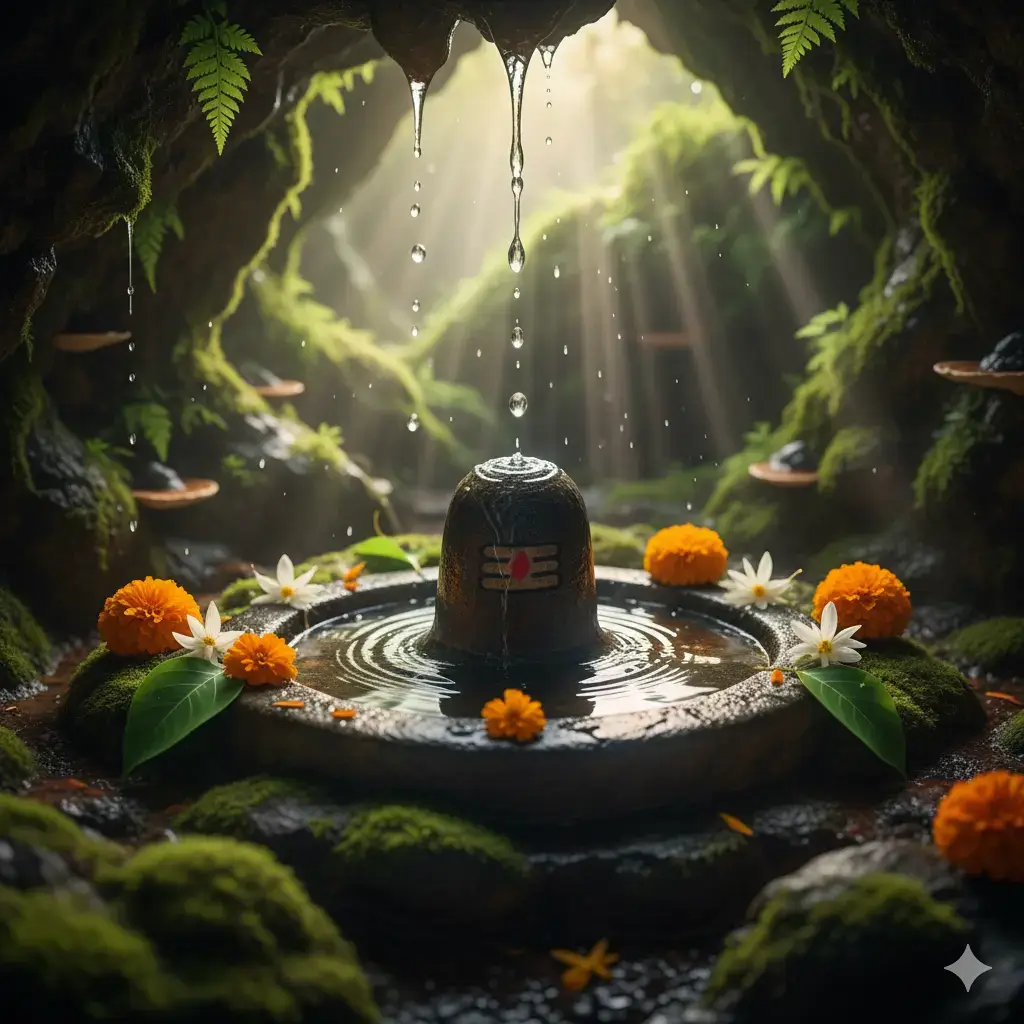
Rudrabhishek is a crucial ritual where the sacred substances are poured over the Shivling while chanting specific Vedic mantras, primarily the Rudri Path (Namakam and Chamakam). The word 'Rudra' signifies Lord Shiva's fierce, destructive, yet purifying aspect, and 'Abhishek' means ritual bathing or showering. It is performed to appease Lord Rudra, seeking protection from natural calamities, ill health, and negative influences.
1.2. Vedic Roots and Core Purpose
The ritual finds its origins in the Yajur Veda, specifically the Shri Rudram Chamakam, which glorifies Rudra. The core purpose is to purify the environment and the individual's soul. By offering substances (like milk, honey, water), the devotee symbolically offers their ego and negativity, inviting cosmic energy and the blessings of Lord Shiva into their life.
1.3. Symbolism of the Shivling
The Shivling represents the formless, infinite, and eternal nature of Lord Shiva. The act of bathing the Shivling symbolizes the continuous cycle of creation, preservation, and destruction. The substances offered are transformed by Shiva’s energy, representing the spiritual transformation of the devotee.
2. Types of Rudrabhishek (Based on Offerings)
2.1. Jalabhishek (Water)
The simplest and most common form, using only pure water (Ganga Jal preferred). It is performed for fulfilling desires and is believed to remove all sorrows and sins.
2.2. Dudhabhishek (Milk)
Used to gain long life, purity of mind, and peace. It is highly recommended for families facing issues related to health and longevity.
2.3. Shahadabhishek (Honey)
Used to gain wealth, prosperity, and relief from chronic diseases. It is considered potent for ensuring sweet success and harmonious speech.
2.4. Panchamrit Abhishek
A mix of five nectars (milk, curd, ghee, honey, and sugar/jaggery). This comprehensive offering is made for overall happiness, prosperity, and spiritual advancement.
2.5. Ekhu-ras Abhishek (Sugarcane Juice)
Especially potent for removing sorrow, granting success, and fulfilling specific material desires.
2.6. Dravya Abhishek (Multiple Substances)
Involves a sequence of different substances (often 11 or more) to address various life problems, culminating in the offering of Bael Patra and flowers.
3. The Step-by-Step Rudrabhishek Procedure (Vidhi)
3.1. Prarambha (Initial Preparations)
The ritual begins with the Achaman (sipping holy water) and the Sankalp (taking a vow) by the Yajman, stating the purpose of the Pooja. This is followed by Punyahavachan (purification) and the establishment of the sacred area (Mandap).
3.2. Ganesh, Gauri, and Kalash Pooja
Before worshipping Shiva, Lord Ganesha (Vighnaharta) is worshipped to remove obstacles, followed by Goddess Gauri. The Kalash (pot of water) is consecrated and worshipped, symbolizing the cosmos.
3.3. Main Abhishekam and Mantra Chanting
The main ritual starts by bathing the Shivling with the designated materials (Milk, Curd, Honey, etc.) in a specific sequence. This is done while the priest continuously chants the powerful Namakam (Shiva’s names) and Chamakam (Shiva’s blessings) sections of the Rudri Path, or the Maha Mrityunjaya Mantra.
3.4. Alankar and Archan
After the Abhishekam, the Shivling is decorated (Alankar) with sandalwood paste, sacred ash (Bhasma or Vibhooti), flowers, and garlands. Bael Patra (Bilva leaves) are offered, as they are considered the dearest offering to Shiva.
3.5. Conclusion (Aarti and Prasad)
The Pooja concludes with the Dhup (incense) and Deep (Aarti) worship, followed by Kshama Prarthana (seeking forgiveness for any errors). The consecrated water (Teerth) and Prasad are distributed among the devotees.
4. Benefits, Muhurat, and Guidelines
4.1. Astrological and Karmic Benefits
Rudrabhishek is a potent remedy for severe astrological afflictions, including the adverse effects of Shani Sade Sati, Shani Dhaiya, or the malefic effects of Rahu and Ketu. It helps clear accumulated karma and provides immense mental strength to face life's challenges.
4.2. Auspicious Muhurat (Timing)
The best day is Monday. The best month is Shravan Maas (July/August), which is entirely dedicated to Shiva. Rudrabhishek is generally avoided on the Chaturdashi Tithi (14th lunar day) and during the day of the ancestors (Pitru Paksha).
4.3. Post-Ritual Conduct
The devotee must maintain ritual purity, observe celibacy, consume only Sattvic (pure vegetarian) food, and continue chanting Shiva mantras for a specified period (often 21 days) after the Rudrabhishek to retain and amplify the generated positive energy.
Key Takeaways for Powerful Rudrabhishek
Primary Deity
Lord Shiva in the fierce form of Rudra (meaning 'crier' or 'roarer').
Mantra Focus
The ritual is centered around the chanting of the Rudri Path (Shiva Suktam or Namakam Chamakam) from the Yajur Veda.
Symbolism
The Abhishekam symbolizes the continuous flow of divine consciousness and the purification of the individual soul.
Purpose
Removes sins, averts calamities, grants peace, wealth, and the fulfillment of specific desires (Sankalp).
Post-Pooja Conduct
The devotee must maintain a state of piety, simplicity, and purity for at least 21 days after the ritual.
Quick Reference Ritual Checklist
Essential Abhishekam Samagri
- Water (Ganga Jal is preferred)
- Milk (unboiled cow milk)
- Curd (Dahi/Yogurt)
- Ghee (clarified butter)
- Honey
- Sugar/Jaggery/Panchamrit
- Bael Patra (Bilva leaves)
- Dhatura and Aak flowers (especially white)
- Vibhooti/Bhasma (sacred ash)
- Sandalwood paste (Chandan)
Core Ritual Steps (Vidhi)
- Sankalp (Intention Vow)
- Punyahavachan (Purification)
- Ganesh and Gauri Pooja
- Shivling Abhishekam (with designated substances)
- Chanting of Rudri Path (Namakam Chamakam)
- Alankar (Decoration) of the Shivling
- Archan (Offerings of flowers, Bael Patra)
- Final Aarti and Kshama Prarthana (Apology)
Specific Abhishekam Benefits
- Water: Removes sins and fulfills desires.
- Milk: For long life and purity.
- Honey: For wealth, prosperity, and sweet speech.
- Curd: For progeny and happiness in the family.
- Ghee: For Moksha (liberation) and victory.
- Sugarcane Juice: For fulfilling desires and removing sorrow.
- Mustard Oil: For overcoming enemies and resolving difficulties.
"By performing the Rudrabhishek, the devotee connects with the cosmic energy of Lord Shiva, dissolving negativity and attracting grace for the purification of the mind, body, and soul."
Related Blogs
Maha Mrityunjaya Jaap: The Complete Guide to the Great Death-Defeating Mantra, Benefits, and Rituals
Mahamrityunjaya Jaap is a sacred Vedic chant dedicated to Lord Shiva, believed to bring healing, protection, and liberation from fears. It is performed to overcome health issues, obstacles, and negative influences.

Kaal Sarp Dosh Pooja: Complete Guide to Symptoms, Effects, Remedies, and Rituals
Kaal Sarp Dosh in Vedic astrology is believed to bring obstacles and challenges when planets are positioned between Rahu and Ketu. Learn about its effects and remedies for balance and peace.
Mangal Dosh: The Complete Guide to Symptoms, Effects on Marriage, Remedies, and Pooja Procedure
Mangal Dosh or Kuja Dosha is caused by Mars placement in specific houses of a horoscope. It affects marriage, relationships, and career. Learn about its effects and remedies.