Kaal Sarp Dosh Pooja: Complete Guide to Symptoms, Effects, Remedies, and Rituals
This exhaustive guide explores the astrological significance, physical and psychological effects, and the complete step-by-step procedure for performing the Kaal Sarp Dosh Nivaran Pooja to mitigate its karmic influence.
Mangal Dosh Poojan Team
1. Introduction: Decoding Kaal Sarp Dosh (KSD)
1.1. What is Kaal Sarp Dosh?
Kaal Sarp Dosh is a specific astrological condition where all seven major planets (Sun, Moon, Mars, Mercury, Jupiter, Venus, and Saturn) are hemmed in between the shadow planets Rahu (the serpent's head) and Ketu (the serpent's tail) in the birth chart. This configuration is believed to create a karmic imbalance that can hinder success, stability, and peace in life. The word 'Kaal' means time or death, and 'Sarp' means serpent or snake, symbolizing the entrapment of time by the serpent's energy.
1.2. Astrological Interpretation and Mythos
In Vedic astrology, Rahu and Ketu are not physical planets but Chhaya Grahas (shadow planets)—the intersection points of the Moon's orbital path around the Earth. They are associated with past life karma, sudden events, and intense desires (Rahu) or detachment (Ketu). KSD is a concentration of this powerful, unpredictable serpent energy, signifying pending karmic debts that must be cleared in the current life. It is not necessarily a 'curse,' but an intense phase of karmic reckoning.
2. Types and Effects of Kaal Sarp Dosh
2.1. The 12 Types of KSD (Rahu-Ketu Axis)
KSD is categorized into 12 distinct types, depending on which houses Rahu and Ketu occupy. For example, if Rahu is in the 1st house and Ketu is in the 7th house, it is called Anant Kaal Sarp Dosh, affecting personality and marriage. If Rahu is in the 2nd and Ketu in the 8th, it is Kulik Kaal Sarp Dosh, affecting finance and longevity. The specific houses involved determine the focus of the challenges.
2.2. Common Symptoms and Challenges
Individuals with KSD often experience a pattern of intense struggle despite effort. Common symptoms include instability in career/business, delayed marriage or marital discord, anxiety and fear (especially fear of snakes or heights), unexplained health issues, loss of reputation, strained relationships with relatives, and a persistent feeling of being held back just before achieving success. Dreams of snakes or being bitten are also frequently reported.
2.3. Severity and Mitigating Factors
The severity of KSD is influenced by other factors in the chart, such as the strength of the Sun and Moon, the position of Jupiter, and the house where the Dosh forms. A strong Lagna (ascendant) or favorable aspect from Jupiter can mitigate the adverse effects significantly. KSD is not always debilitating; for highly spiritual individuals, it can propel them toward Moksha (liberation) by forcing detachment.
3. Auspicious Timings and Sacred Locations (Muhurat & Sthan)
3.1. Identifying the Ideal Muhurat (Timing)
The Pooja is most effective when performed on days dedicated to the Nag Devata (Serpent God) and Lord Shiva. The most potent times are Nag Panchami, the fifth day of the lunar fortnight, or any Amavasya (New Moon), especially those falling on a Monday (Somvati Amavasya). Performing the ritual during the solar or lunar eclipse period is also traditionally considered powerful for such remedies, as the Rahu-Ketu axis is highlighted then.
3.2. Sacred Locations for Nivaran Pooja
The geographical location significantly enhances the Pooja's effectiveness. The most renowned site is Trimbakeshwar Temple near Nashik, one of the 12 Jyotirlingas, where the Dosh is performed as per the traditional scripture. Other powerful locations include Kala Hasti Temple (Andhra Pradesh), Ujjain (Mahakaleshwar Jyotirlinga), and Gokarna (Karnataka), as these places hold special significance for Rahu, Ketu, and Lord Shiva.
4. Step-by-Step Kaal Sarp Dosh Nivaran Pooja Procedure
4.1. Preparation and Sankalp (The Vow)
The ceremony begins with the Yajman (person performing the ritual) taking a holy bath and wearing fresh, clean clothes. The Sankalp (solemn vow) is taken in the presence of the priest, stating the intention, name, gotra, and purpose of the Pooja, which is to mitigate the effects of Kaal Sarp Dosh.
4.2. Main Deities and Serpent Idols
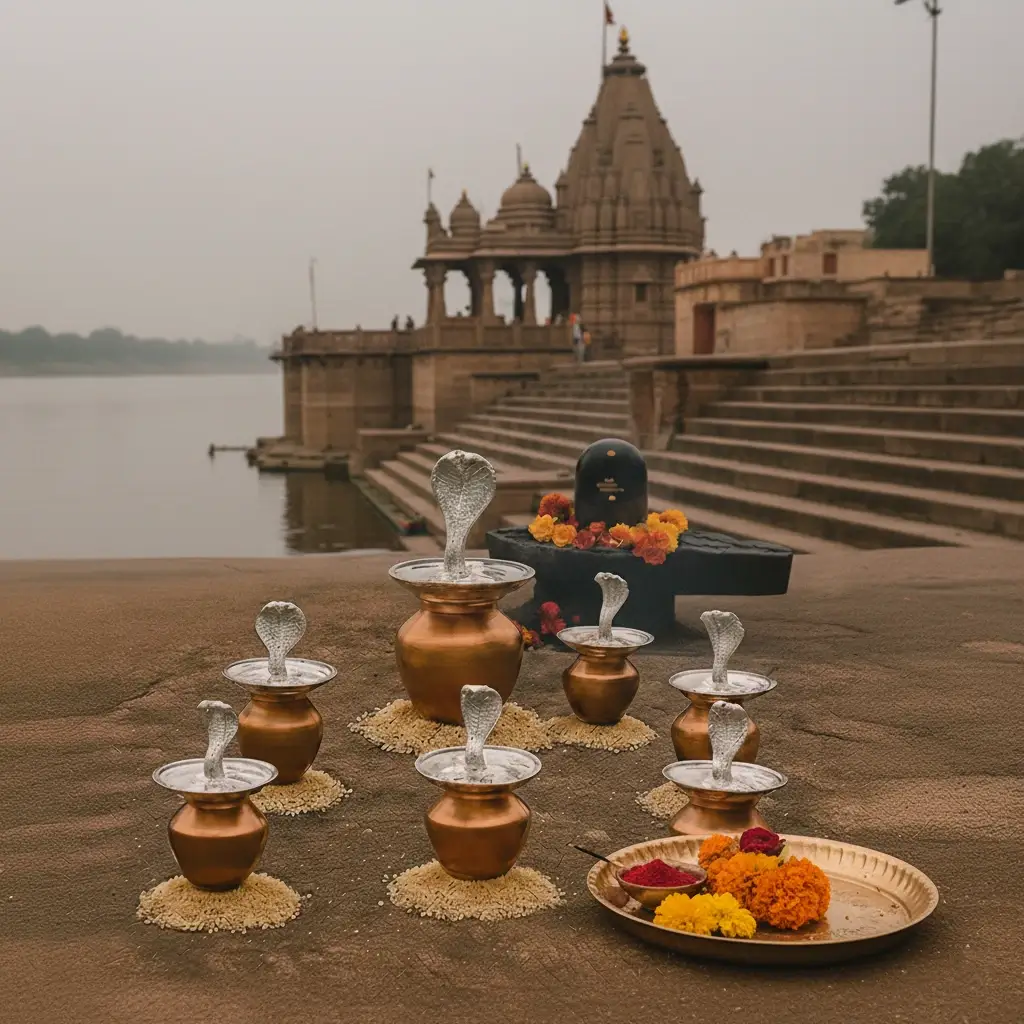
The ritual starts with Ganesh Pooja, followed by the worship of the Nag Devata (often a silver or lead idol of a snake couple). The idol is purified, consecrated, and worshipped as a representation of Rahu and Ketu. Lord Shiva is worshipped as the supreme deity capable of neutralizing the Dosh, typically through an Abhishekam (ritual bathing).
4.3. Mantra Chanting and Havan
A significant part of the Pooja involves chanting the Maha Mrityunjaya Mantra and the specific Mantras for Rahu and Ketu (e.g., Rahu Beeja Mantra: Om Ram Rahave Namaha). A Havan (fire ritual) is performed, where specific offerings (Samagri) are made to Agni Dev, symbolically consuming the negative karmic effects of the Dosh.
4.4. Immersion (Visarjan) and Conclusion
The final stage involves the Visarjan (immersion) of the consecrated silver or lead Nag idol into a river or the sea. This symbolizes the release and dissolution of the Dosh's influence. The Pooja concludes with the final Aarti and the distribution of Prasad (blessed food).
5. Comprehensive Samagri and Remedial Practices
5.1. Pooja Samagri Checklist
Essential items include: Silver or Lead Serpent Idols, Ganga Jal, Kumkum, Haldi, Akshat, fresh flowers, Paan (betel leaves), Supari, Dhoop, Diya, Camphor, and a new sacred thread. Specific items for Havan are needed, including cow ghee, Havan Samagri, and black sesame seeds (Til) for Rahu/Ketu appeasement.
5.2. Post-Pooja Remedies (Daan and Japa)
Long-term relief requires continued practice. Donation (Daan) of black gram (Urad Dal), black sesame seeds, and clothes to the needy is crucial. Regular Japa (Mantra Chanting) of the Panchakshara Mantra ('Om Namah Shivaya') and Maha Mrityunjaya Jaap is highly recommended. Daily offering of water to a Shivling appeases the Serpent energy.
5.3. Lifestyle Adjustments for KSD
To neutralize the serpent's energy, one should adopt certain lifestyle changes: Respect snakes and never harm them (feeding milk to snakes is sometimes recommended, though controversial). Avoid speaking ill of anyone. Engage in charity. Wear silver jewellery, specifically a snake ring, as advised by the astrologer, to help channel the energy constructively.
6. Conclusion: The Karmic Perspective
6.1. KSD as a Catalyst for Spiritual Growth
While challenging, KSD is viewed by many spiritual masters not as a punishment, but as an opportunity for accelerated spiritual growth and clearing of intense past life karma. The struggles faced force the individual to seek spiritual remedies and inner strength, ultimately leading to detachment and higher consciousness.
6.2. Final Advice on Remedies
True remedy comes from the heart, not just the ritual. Sincerity, faith, and continued ethical conduct are paramount. The Pooja is the ignition point; consistent Dharma (righteous living) is the maintenance fuel.
Key Takeaways for Kaal Sarp Dosh Nivaran
Confirm Dosh in Chart
Verify the presence and severity of KSD with a qualified, experienced astrologer.
Identify Dosh Type
Determine which of the 12 types of KSD (e.g., Anant, Kulik) affects your life to tailor the remedy.
Strictly Follow Protocol
Adhere precisely to the priest's instructions, especially regarding Havan and Vrata (fasting).
Donate Generously
Perform donations (Daan) of silver snakes, grains, and black sesame seeds to complete the remedy.
Worship Lord Shiva
Regular worship of Lord Shiva and Nag Devata is essential for long-term relief.
Avoid Self-Remedy
Never attempt the core KSD Pooja without an experienced priest; use only authorized locations.
Quick Reference Pooja Checklist
Before Pooja
- Consult astrologer for Dosh type
- Book priest and preferred location
- Fix auspicious Muhurat (Nag Panchami/Amavasya)
- Gather all Samagri (especially metals)
- Begin fasting 1 day prior
- Wear clean, traditional attire
During Pooja
- Sankalp (Vow) by the Yajman
- Ganesh Pooja & Punyavachan
- Pradhan Pooja (Nag Devata & Rahu/Ketu)
- Maha Mrityunjaya Jaap (prescribed count)
- Havan (Fire Ritual)
- Visarjan (Immersion) of metal Nag idols
- Final Aarti & Dakshina (Fees)
After Pooja
- Continue mantra chanting daily
- Maintain purity for 40 days
- Offer water to Shivling daily
- Feed poor/donate grains
- Avoid speaking negatively about snakes
- Avoid non-veg/alcohol for extended period
"The greatest remedy for Kaal Sarp Dosh is unwavering devotion to Lord Shiva, for He alone is the conqueror of fear and the master of time."
Related Blogs
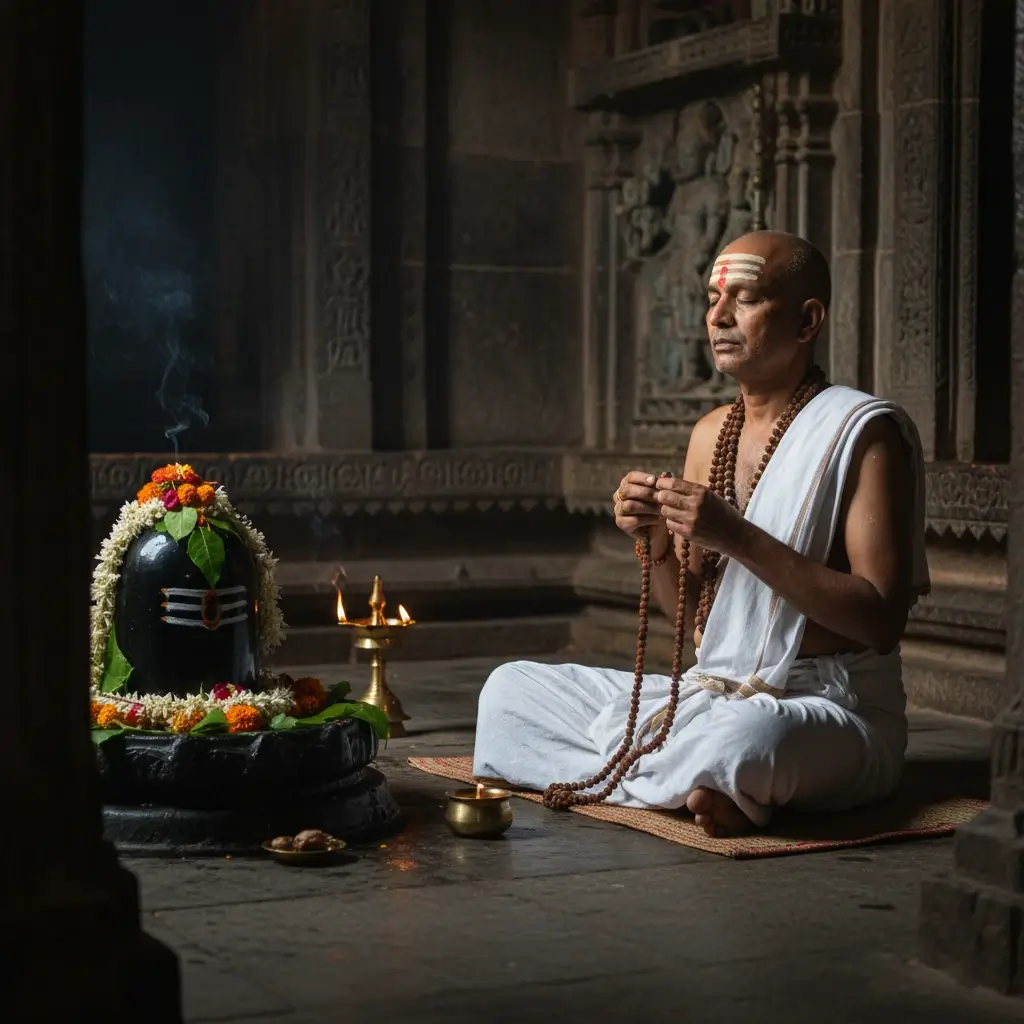
Maha Mrityunjaya Jaap: The Complete Guide to the Great Death-Defeating Mantra, Benefits, and Rituals
Mahamrityunjaya Jaap is a sacred Vedic chant dedicated to Lord Shiva, believed to bring healing, protection, and liberation from fears. It is performed to overcome health issues, obstacles, and negative influences.
Kaal Sarp Dosh Pooja: Complete Guide to Symptoms, Effects, Remedies, and Rituals
Kaal Sarp Dosh in Vedic astrology is believed to bring obstacles and challenges when planets are positioned between Rahu and Ketu. Learn about its effects and remedies for balance and peace.
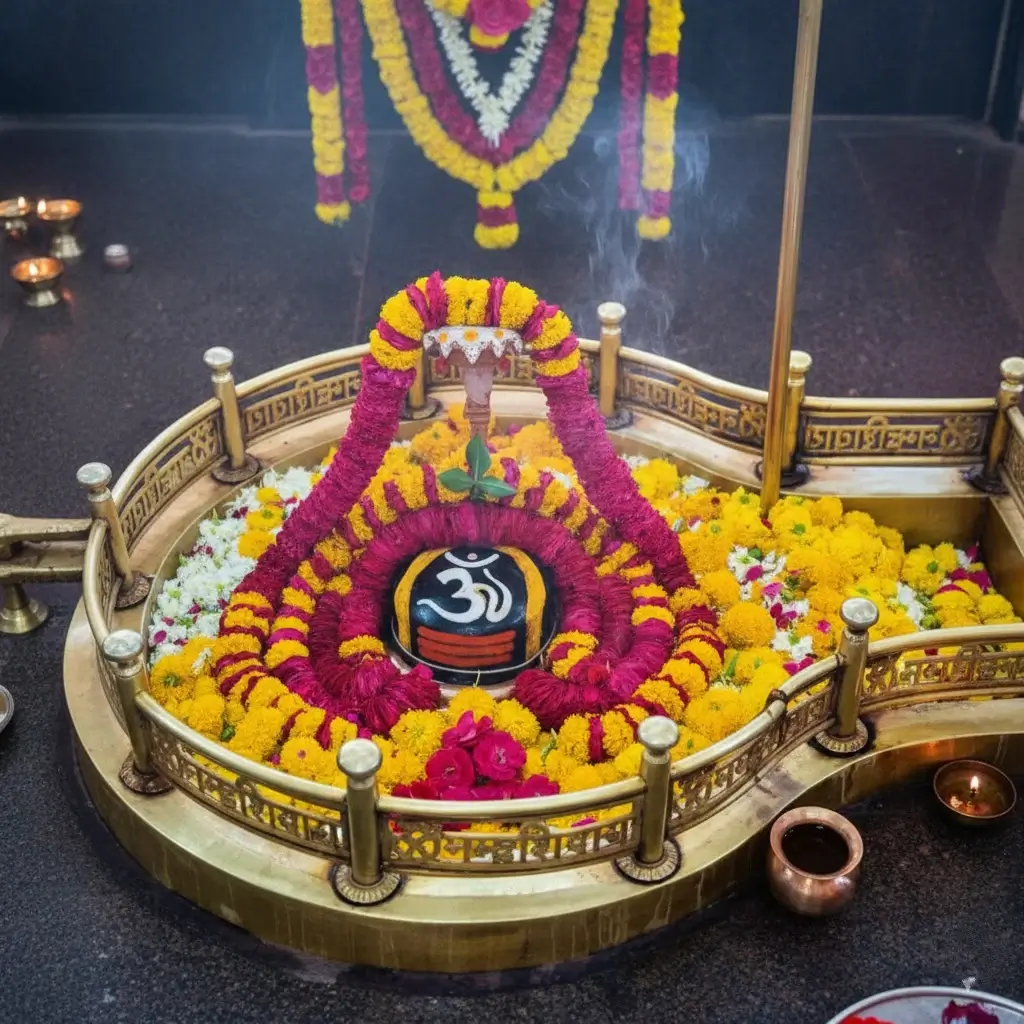
Mangal Dosh: The Complete Guide to Symptoms, Effects on Marriage, Remedies, and Pooja Procedure
Mangal Dosh or Kuja Dosha is caused by Mars placement in specific houses of a horoscope. It affects marriage, relationships, and career. Learn about its effects and remedies.