Griha Pravesh Pooja: Complete Guide to House Warming Ceremony, Muhurat, Rituals & Vastu Shastra
An exhaustive resource covering the traditions, philosophical basis, and practical steps required for a perfect and spiritually enriching Griha Pravesh ceremony.
Mangal Dosh Poojan Team
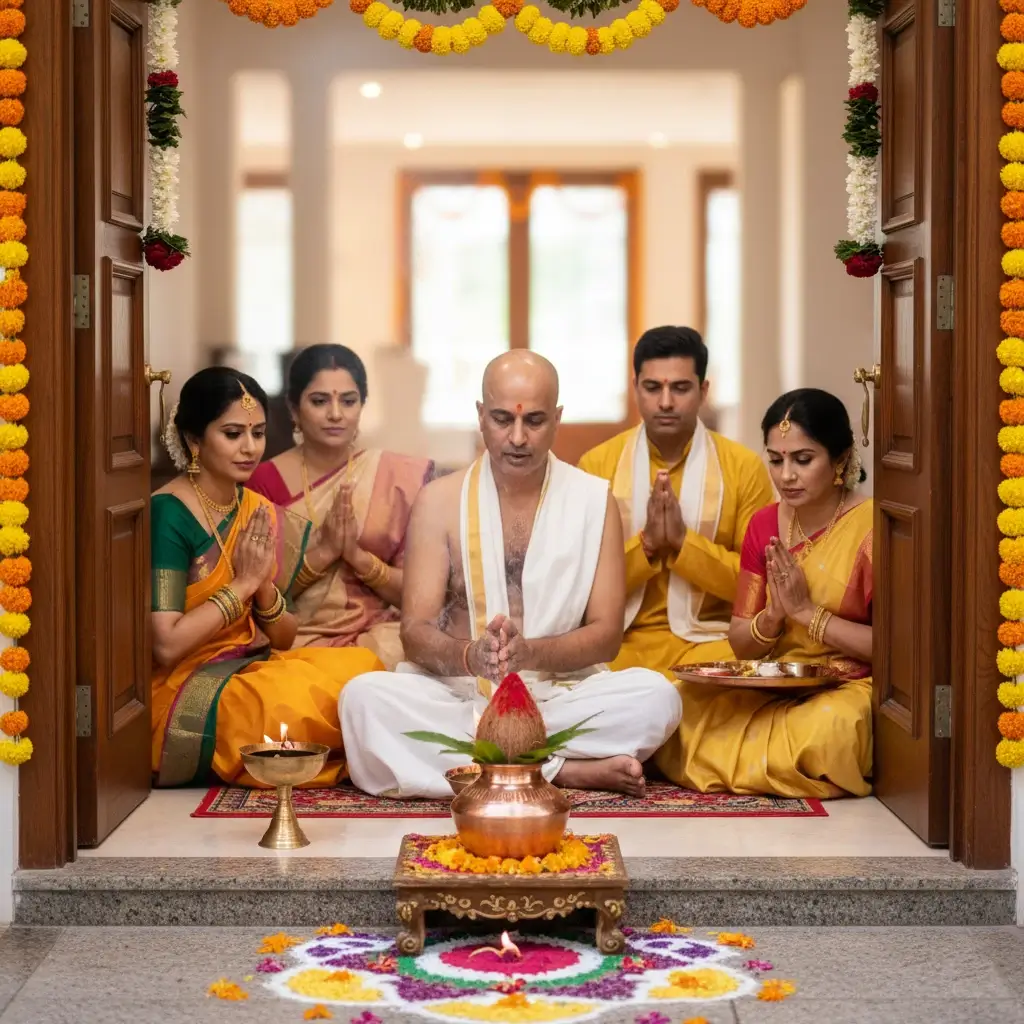
1. Introduction: Understanding the Griha Pravesh Pooja
1.1. Definition and Etymology
Griha Pravesh is a sacred Hindu ceremony marking the first entry into a new home. The term derives from two Sanskrit words: 'Griha' meaning house or dwelling, and 'Pravesh' meaning entry or entrance. In Vedic traditions, a home is not merely a physical structure but a sacred temple (Mandir) where the family's spiritual journey unfolds. This ancient ritual, rooted in the Vedas and mentioned in texts like the Grihya Sutras, transforms a house into a home by infusing it with divine energies and blessings.
1.2. The Importance of Auspicious Timing (Muhurat)
Selecting an auspicious muhurat (timing) is crucial for Griha Pravesh as it determines the flow of cosmic energies into your new home. According to Vedic astrology, certain planetary alignments and lunar phases are more favorable for new beginnings. Consult the Hindu Panchang (almanac) to identify favorable Tithis (lunar days), Nakshatras (constellations), and Yogas. Avoid inauspicious periods like Kharmas (mid-December to mid-January), Chaturmas (monsoon months), and when Jupiter (Guru) or Venus (Shukra) are in retrograde motion (Asta).
2. Significance of Griha Pravesh Pooja (Detailed Exploration)
2.1. Purification (Shuddhikaran)
The primary purpose of Griha Pravesh is the purification of the dwelling space. Every piece of land carries residual energies from its past—previous constructions, natural events, and historical activities. These energies, known as Doshas in Vedic terminology, can influence the new inhabitants. The ritual cleansing using Ganga Jal (holy water from the Ganges), Gomutra (cow urine, a natural purifier), and sacred smoke from Havan (fire ritual) neutralizes negative vibrations and creates a sattvic (pure) environment.
2.2. Prosperity and Well-being
Griha Pravesh invokes Goddess Lakshmi, the deity of wealth and prosperity, and Goddess Annapurna, the provider of food and sustenance. These divine feminine energies ensure material abundance, financial stability, and family well-being. The ritual establishes an energetic foundation that attracts opportunities, success, and continuous growth for all family members residing in the home.
2.3. Spiritual Protection (Raksha)
The ceremony creates a protective shield around the home, guarding against negative entities, evil eyes (Drishti), and malevolent forces. The Kalash (sacred pot) placed at the entrance, the Toran (decorative door hanging) made of mango leaves and marigold flowers, and the continuous chanting of protective mantras establish an invisible barrier that preserves the sanctity of the space.
2.4. Auspicious Beginning (Mangal Karyam)
Griha Pravesh marks the official beginning of life in the new home with divine blessings and positive intentions. This auspicious start (Shubh Aarambh) sets the tone for all future events and experiences in the household. The ceremony establishes the home's energetic signature, influencing the thoughts, emotions, and actions of all who dwell within its walls.
3. Types of Griha Pravesh Pooja (Scenario Analysis)
3.1. Apoorva Griha Pravesh (First Entry)
Apoorva Griha Pravesh is performed when entering a newly constructed house that has never been occupied before. This is the most elaborate form of the ceremony, as it involves establishing the original Vastu energy and creating the home's foundational spiritual imprint. The ritual focuses on invoking Vastu Purush (the deity of the dwelling space) and establishing a fresh, positive energy field from scratch.
3.2. Sapurva Griha Pravesh (Re-entry)
Sapurva Griha Pravesh is conducted when re-entering a home after an extended absence (typically more than a year), after significant travel, or following minor renovations and repairs. This ceremony focuses on renewing and revitalizing the existing positive energy, removing any accumulated stagnation, and re-establishing the family's connection with the dwelling.
3.3. Dwandwah Griha Pravesh (After Calamity)
Dwandwah Griha Pravesh is performed after the home has suffered from natural disasters (fire, flood, earthquake), major structural damage, or traumatic events. This most intensive form of the ceremony requires extensive Shanti (peace-bringing) rituals, purification practices, and powerful mantras to heal the space's traumatized energy and restore balance and harmony.
4. The Intrinsic Connection to Vastu Shastra
4.1. Vastu Purush Worship
At the heart of Griha Pravesh lies the worship of Vastu Purush, the cosmic being who resides in every built structure. According to Vedic mythology, Vastu Purush was a powerful demon subdued by divine forces and transformed into the guardian deity of buildings. His body is mapped onto the building's floor plan, with different body parts corresponding to different areas of the house. Honoring Vastu Purush through specific mantras and offerings ensures his blessings and cooperation.
4.2. Directional Alignment in Pooja
Vastu Shastra emphasizes the profound importance of directional energies in creating harmonious living spaces. The Northeast direction (Ishaan Kon) is considered the most sacred, representing divine consciousness and spiritual energy. During Griha Pravesh, the main Pooja should ideally be performed facing northeast, and the permanent Pooja room should be located in this direction to facilitate maximum cosmic energy flow into the home.
4.3. Mitigating Vastu Doshas
Even with the best intentions, most modern constructions contain minor Vastu doshas (defects) due to space constraints, architectural requirements, or pre-existing structures. The Griha Pravesh Havan and powerful Vedic mantras can significantly mitigate or neutralize these architectural flaws, creating energetic corrections where physical changes aren't possible. The fire element purifies and transforms negative influences into positive ones.
5. Step-by-Step Procedure of Griha Pravesh Pooja
5.1. Preparation and Decoration (Pre-Ceremony Phase)
Proper preparation sets the foundation for a successful Griha Pravesh. Begin preparations 2-3 days before the ceremony. Thoroughly clean the entire house—sweep, mop, and dust all areas. Pay special attention to corners, windows, and the entrance. Decorate the main entrance with a beautiful Toran made of fresh mango leaves, marigold flowers, and rose petals. Create an elaborate Rangoli (colored powder design) at the threshold using traditional patterns like lotus, Om symbol, or Swastik. Set up the Mantra Vedi (altar) in the Pooja area with a clean cloth, images or idols of deities, and all necessary Pooja items organized systematically.
5.2. The Symbolic First Entry (Ritual Commencement)
The actual Griha Pravesh begins with the family's ceremonial first entry. The owner (traditionally the husband, but can be done jointly by the couple) carries the decorated Kalash filled with holy water, while the wife carries the main lamp (Akhand Diya or oil lamp). This symbolic entry should be performed with the right foot first, as the right side represents auspicious and positive energy in Vedic traditions. Some traditions include carrying sacred items like Ramayana, Bhagavad Gita, or family deity's idol during entry.
5.3. Invocation of Main Deities (Establishing Divine Presence)
Once positioned in the Pooja area, the ceremony begins with Ganesh Puja, as Lord Ganesha is the remover of obstacles (Vighnaharta) and must be worshipped first in any Hindu ritual. Following Ganesha, invoke Goddess Lakshmi for prosperity and wealth, Goddess Saraswati for knowledge and wisdom, and Lord Vishnu for protection and sustenance. The Navagraha (Nine Planets) are also worshipped to ensure cosmic harmony and favorable planetary influences on the household.
5.4. Main Pooja and Offerings (Detailed Worship)
The main Pooja phase involves detailed offerings (Upachara) to all invoked deities. This includes Shodashopachara (sixteen types of offerings): Asana (seat), Svagata (welcome), Padya (water for washing feet), Arghya (water for hands), Achamana (water for sipping), Madhuparka (honey mixture), Snana (bath), Vastra (cloth), Yajnopavita (sacred thread), Gandha (sandalwood paste), Pushpa (flowers), Dhupa (incense), Dipa (lamp), Naivedya (food offering), Tambula (betel leaves), and Dakshina (donation). Each offering carries symbolic significance and creates a complete worship experience.
5.5. Havan (The Sacred Fire Ritual)
The Havan or Yagna is the central component of Griha Pravesh, where offerings are made to Agni Dev (Fire God), who acts as the divine messenger carrying prayers and offerings to all deities. The fire element purifies the atmosphere, eliminates negative energies, and creates a powerful sacred vibration. The Havan is performed in a specially prepared Kund (fire pit) using specific woods, herbs, and offerings (Havan Samagri) including ghee, sesame seeds, rice, barley, herbs like tulsi and durva grass, dried fruits, and special aromatic substances.
5.6. The Overflowing Milk Ceremony (Symbol of Abundance)
One of the most beautiful and symbolic rituals in Griha Pravesh is the overflowing milk ceremony. Fresh milk is boiled in a new vessel on the kitchen stove (or in the southeast direction) until it overflows. This overflow symbolizes abundance, prosperity, and happiness that will continuously flow in the household. The milk should overflow toward the northeast direction if possible, representing the flow of divine blessings. This is often the first food item prepared in the new kitchen, marking the beginning of the home's nourishment cycle.
5.7. Aarti, Distribution of Prasad, and Conclusion
The ceremony concludes with a collective Aarti (waving of lamps before the deities) accompanied by devotional songs. All participants stand, join hands, and sing traditional aartis like 'Om Jai Jagdish Hare' or deity-specific aartis. The priest then distributes Prasad (blessed food offerings) to all attendees, which should be consumed with reverence as it carries divine blessings. Finally, the priest offers blessings to the family, and guests offer their good wishes for the new home.
6. Comprehensive Griha Pravesh Samagri (Complete Checklist)
6.1. Core Pooja Items (Essential Materials)
The success of Griha Pravesh depends on having all necessary items prepared in advance. Core Pooja items include: Idols or pictures of Lord Ganesha, Goddess Lakshmi, Lord Vishnu, and your family deity (Kuladevata). A copper or brass Kalash (pot) with lid. Kumkum (vermillion), Haldi (turmeric powder), Chandan (sandalwood paste or powder), Akshat (unbroken rice grains), fresh flowers (marigold, rose, lotus, jasmine), fresh fruits (coconut, bananas, mangoes, pomegranates, betel nuts), Paan (betel leaves), supari (areca nut), Diya (oil lamps) - at least 5-10, pure ghee or sesame oil for lamps, cotton wicks for lamps, camphor (kapoor), agarbatti (incense sticks), dhoop (incense cones/powder), matchbox or lighter, bell (ghanti), conch shell (shankh), Pooja thali (plate), small bowls for offerings, sacred thread (Mouli/Kalava - red and yellow), new cloth pieces (red, yellow, or saffron) for covering altar, and a clean mat or cloth for sitting.
6.2. Havan and Purification Items (Fire Ritual Materials)
For the Havan ritual, specific items are required: Havan Kund (fire pit - copper or clay), special wood for the fire (preferably mango, peepal, or palash), Havan Samagri (sacred mixture of herbs, grains, and dried materials), large quantity of pure cow ghee (at least 200-500 grams), honey, sugar, dry coconut pieces, sesame seeds (white til), barley (jau), rice, special herbs including Tulsi (holy basil) leaves, Durva grass, dried rose petals, sandalwood powder, Kusha grass (sacred grass for seating and offerings), whole coconut for Purna Ahuti, Ganga Jal (holy water from river Ganges) or clean water, Gomutra (cow urine - optional, for purification), rock salt or sea salt, whole turmeric root, whole betel nut, dried dates and figs, camphor tablets, and cotton cloth pieces for handles.
6.3. Food and Sweet Offerings (Naivedya Preparation)
The food offerings (Naivedya) are an essential part of deity worship. Prepare a variety of pure, sattvic (pure vegetarian) foods: Fresh seasonal fruits (at least 5 varieties), Panchamrit (sacred mixture of milk, yogurt, honey, sugar, and ghee), traditional sweets like Kheer (sweet rice pudding), Halwa (semolina or flour-based sweet), Ladoo (round sweets), or Peda (milk sweets), coconut (whole and pieces), banana, sugar or rock sugar candy, cardamom, saffron-infused milk, betel leaves and nuts, and dry fruits (almonds, cashews, raisins, dates). For the concluding feast, prepare a full traditional vegetarian meal with items like Puri (fried bread), Chana (chickpea curry), seasonal vegetable dishes, rice, dal (lentils), and multiple sweet dishes.
7. Common Mistakes to Avoid (Critical Warnings)
7.1. Incomplete Construction Issues
One of the most common and serious mistakes is performing Griha Pravesh when the house construction is incomplete. The ceremony should never be conducted if the roof is not fully complete, main doors and windows are not installed, bathroom/toilet facilities are not functional, electricity and water connections are not active, or major finishing work remains pending. An incomplete structure cannot hold positive energy properly and may lead to repeated problems and obstacles in completing the remaining work.
7.2. Moving Items Before Pooja
A strict traditional rule warns against moving furniture, belongings, or household items into the house before completing the Griha Pravesh Pooja. The only exception is moving the Pooja Samagri (ritual items) needed for the ceremony itself. This rule exists because the purification and blessing should happen in an empty, clean space that can fully absorb the positive energies. Moving belongings beforehand can trap negative energies, and the items themselves remain unblessed.
7.3. Avoiding Inauspicious Periods and Practices
Timing is crucial in Griha Pravesh. Avoid performing the ceremony during: Rikta Tithis (4th, 9th, and 14th lunar days), Amavasya (New Moon) except in specific exceptional circumstances, Kharmas period (mid-December to mid-January when Sun moves from Sagittarius to Capricorn), Chaturmas (four monsoon months of spiritual austerity), when Jupiter or Venus is in retrograde (Asta), during Rahu Kaal (inauspicious time period each day), on death anniversaries of family members, and during lunar or solar eclipses. Additionally, never leave the house completely locked and empty immediately after the ceremony—someone should stay in the house for at least the first few days to maintain the established energy.
8. Post-Ceremony Practices and Maintenance
8.1. Daily Spiritual Practices
After Griha Pravesh, establish regular spiritual practices to maintain the positive energy: Light a lamp (diya) in the Pooja room every morning and evening. Perform brief prayers or mantra chanting daily. Keep the Pooja room clean and sacred. Ring bells and light incense daily. Play devotional music or mantras periodically. These practices keep the divine energy active and flowing.
8.2. Vastu Maintenance Tips
Maintain Vastu compliance for continuous positive energy: Keep the Northeast direction (Ishaan Kon) always clean, clutter-free, and well-lit. Avoid heavy furniture or storage in this area. The center of the house (Brahmasthan) should remain open and unobstructed. Keep Southeast direction (Agni Kon) for kitchen and fire-related activities. Bedroom in Southwest for stability. Entrance should be well-lit, clean, and welcoming.
8.3. Seasonal Ceremonies and Celebrations
Mark seasonal changes and important dates with appropriate ceremonies: Diwali - The festival of lights is ideal for deep cleaning, Lakshmi Pooja, and re-energizing the home. Navratri - Nine nights of Goddess worship brings divine feminine energy. Makar Sankranti - Marks the sun's northward journey, auspicious for renewal. House anniversary - Annual celebration of Griha Pravesh date. Quarterly Havan - Seasonal fire ceremonies for continued purification.
9. Scientific and Psychological Perspectives
9.1. Scientific Basis of Griha Pravesh Rituals
Modern science increasingly validates ancient Vedic practices. The Griha Pravesh ceremony incorporates elements that have measurable benefits: Sound vibrations from mantras affect brain waves and atmospheric energy. Smoke from Havan has antimicrobial properties. Specific herbs used purify air quality. Directional awareness aligns with natural electromagnetic flows. Psychological impact of ritual creates positive mindset and reduces stress associated with major life changes.
9.2. Psychological Benefits and Family Bonding
Beyond the spiritual dimensions, Griha Pravesh offers significant psychological benefits: Marks clear transition from old to new life chapter. Provides sense of control during major change. Creates shared positive memory for family. Establishes home as sacred family space. Reduces anxiety about new beginning. Strengthens family identity and bonds. Connects family to cultural roots and traditions.
Key Takeaways for Perfect Griha Pravesh
Choose Auspicious Muhurat
Consult Panchang and astrologer for the perfect date and time based on your birth chart.
Complete Construction First
Ensure all essential construction, doors, windows, and basic amenities are fully functional.
Gather All Samagri
Prepare comprehensive checklist of Pooja items, Havan materials, and food offerings in advance.
Honor Vastu Principles
Perform Vastu Purush worship and align Pooja setup in northeast direction for maximum benefit.
Perform Complete Rituals
Don't skip essential steps: Ganesh Pooja, Kalash entry, Havan, milk ceremony, and Aarti.
Maintain Daily Practices
Continue spiritual practices post-ceremony to maintain and amplify established positive energies.
Quick Reference Checklist
Before Ceremony
- Select auspicious Muhurat
- Complete all construction
- Deep clean entire house
- Gather all Pooja Samagri
- Book priest/pandit
- Prepare decorations
- Arrange food offerings
During Ceremony
- Ganesh Pooja first
- Kalash entry ritual
- Lakshmi-Narayan Pooja
- Navagraha worship
- Vastu Purush Pooja
- Complete Havan ritual
- Milk overflow ceremony
- Final Aarti & Prasad
After Ceremony
- Keep lamp burning (3-11 days)
- Someone stays overnight
- Daily morning prayers
- Daily evening Aarti
- Maintain cleanliness
- Feed poor/animals
- Positive atmosphere
"Through the sacred practice of Mahamrityunjaya Jaap, we connect with the eternal essence of Lord Shiva, transcending the boundaries of mortality and embracing the infinite divine consciousness."
Related Blogs
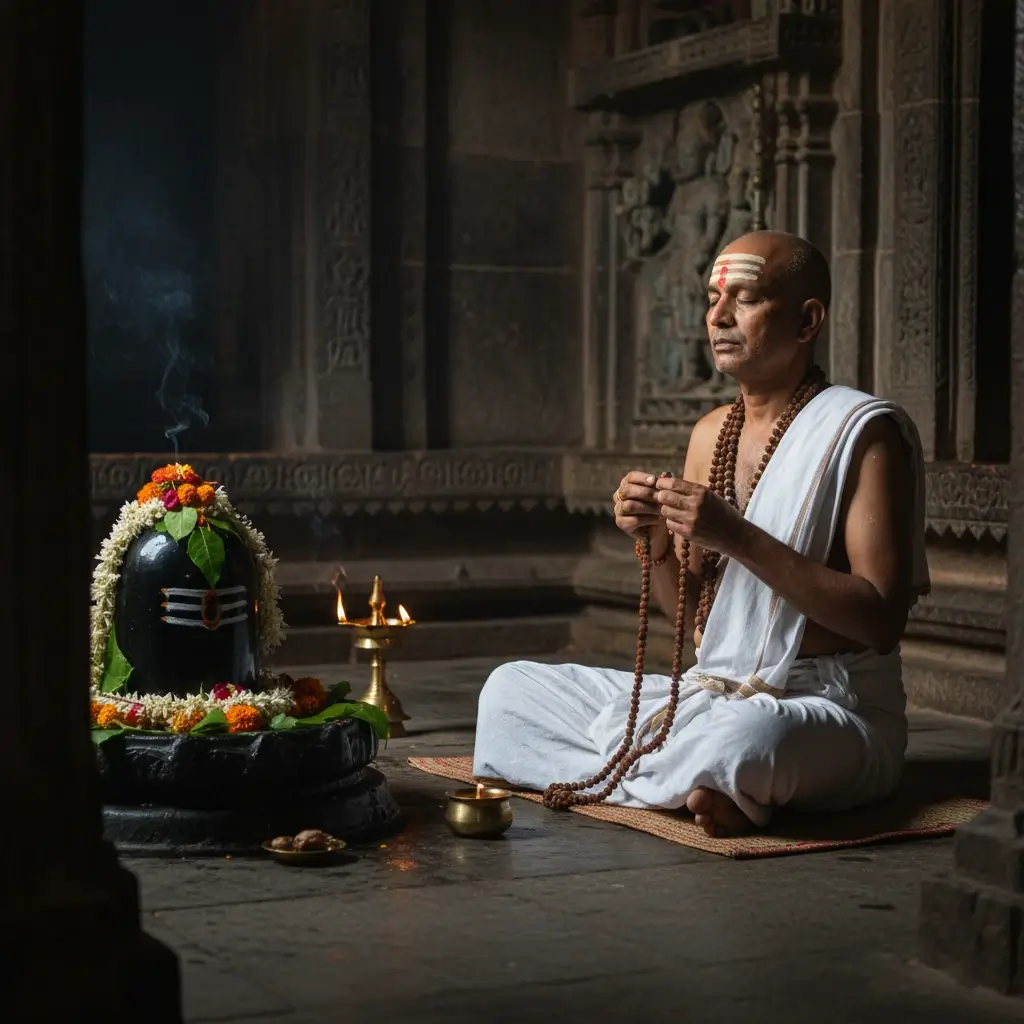
Maha Mrityunjaya Jaap: The Complete Guide to the Great Death-Defeating Mantra, Benefits, and Rituals
Mahamrityunjaya Jaap is a sacred Vedic chant dedicated to Lord Shiva, believed to bring healing, protection, and liberation from fears. It is performed to overcome health issues, obstacles, and negative influences.
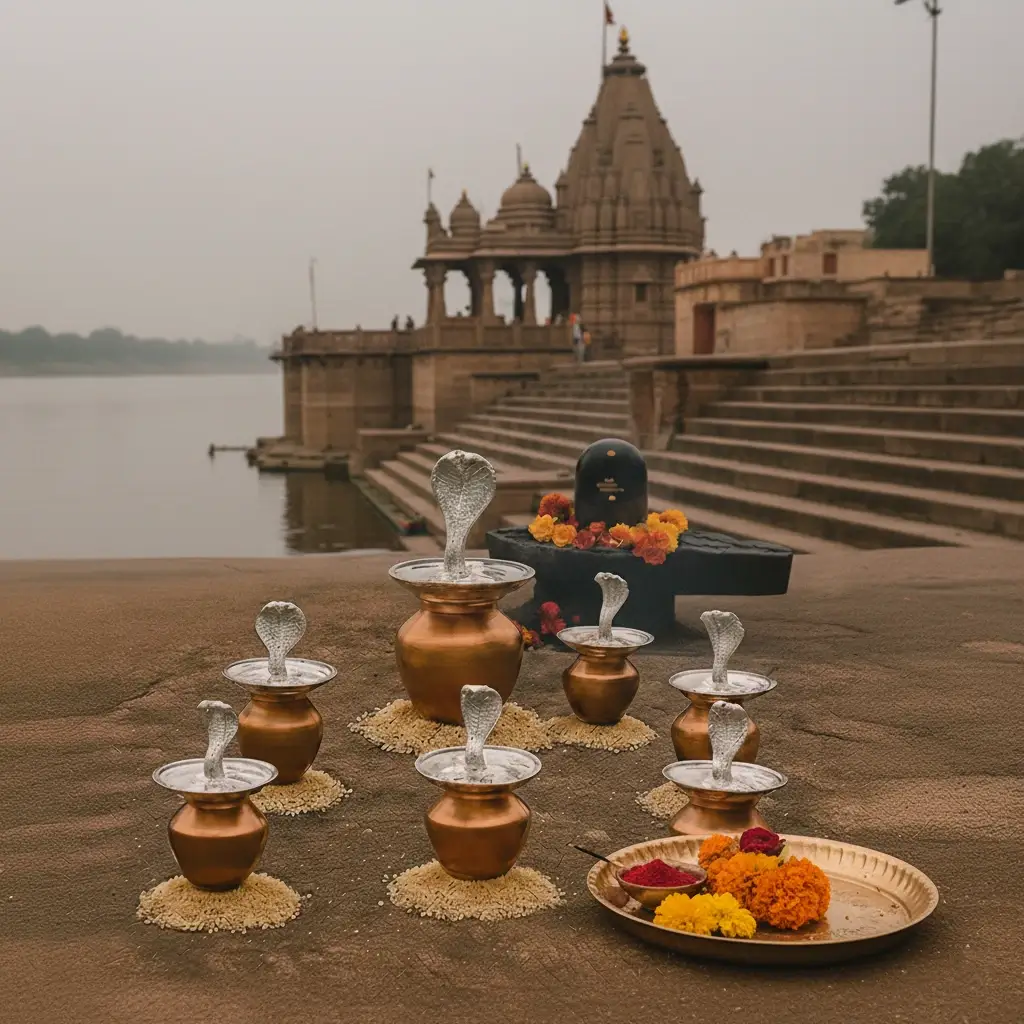
Kaal Sarp Dosh Pooja: Complete Guide to Symptoms, Effects, Remedies, and Rituals
Kaal Sarp Dosh in Vedic astrology is believed to bring obstacles and challenges when planets are positioned between Rahu and Ketu. Learn about its effects and remedies for balance and peace.
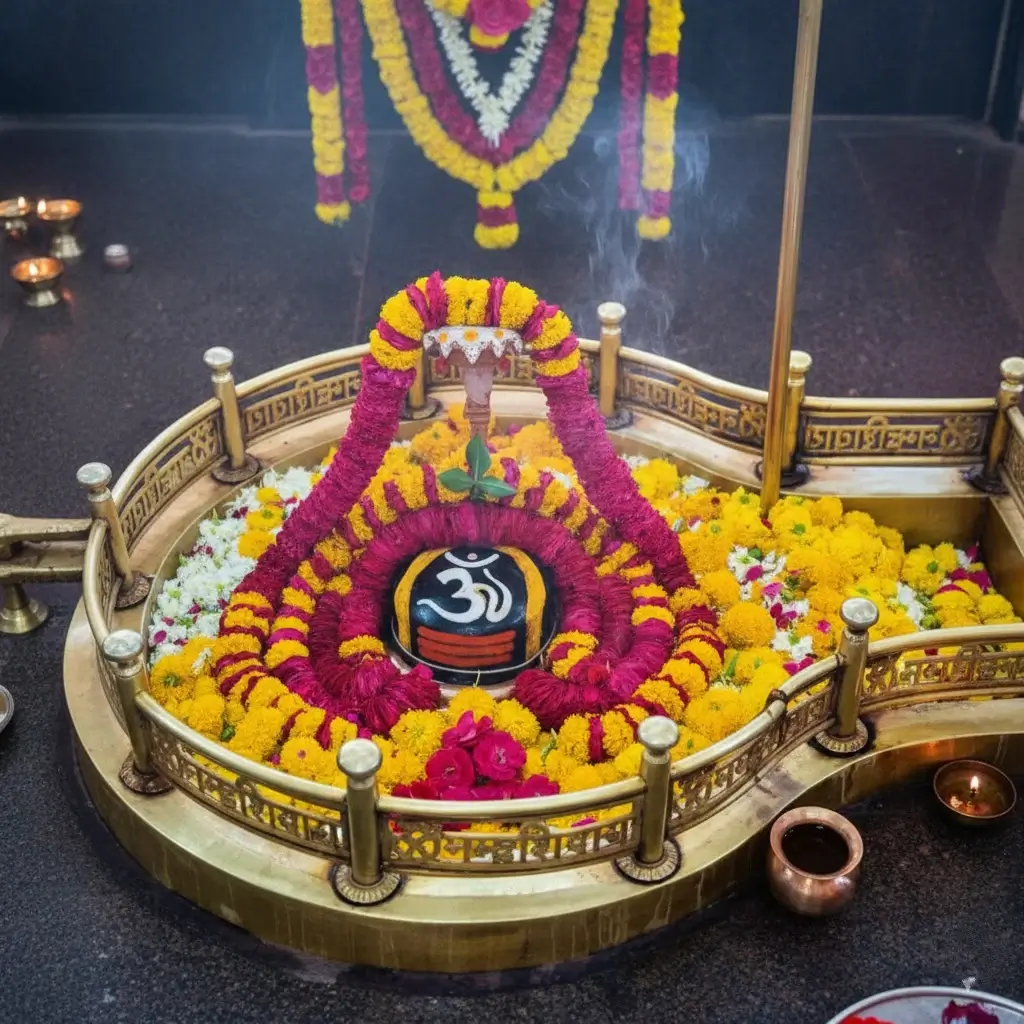
Mangal Dosh: The Complete Guide to Symptoms, Effects on Marriage, Remedies, and Pooja Procedure
Mangal Dosh or Kuja Dosha is caused by Mars placement in specific houses of a horoscope. It affects marriage, relationships, and career. Learn about its effects and remedies.